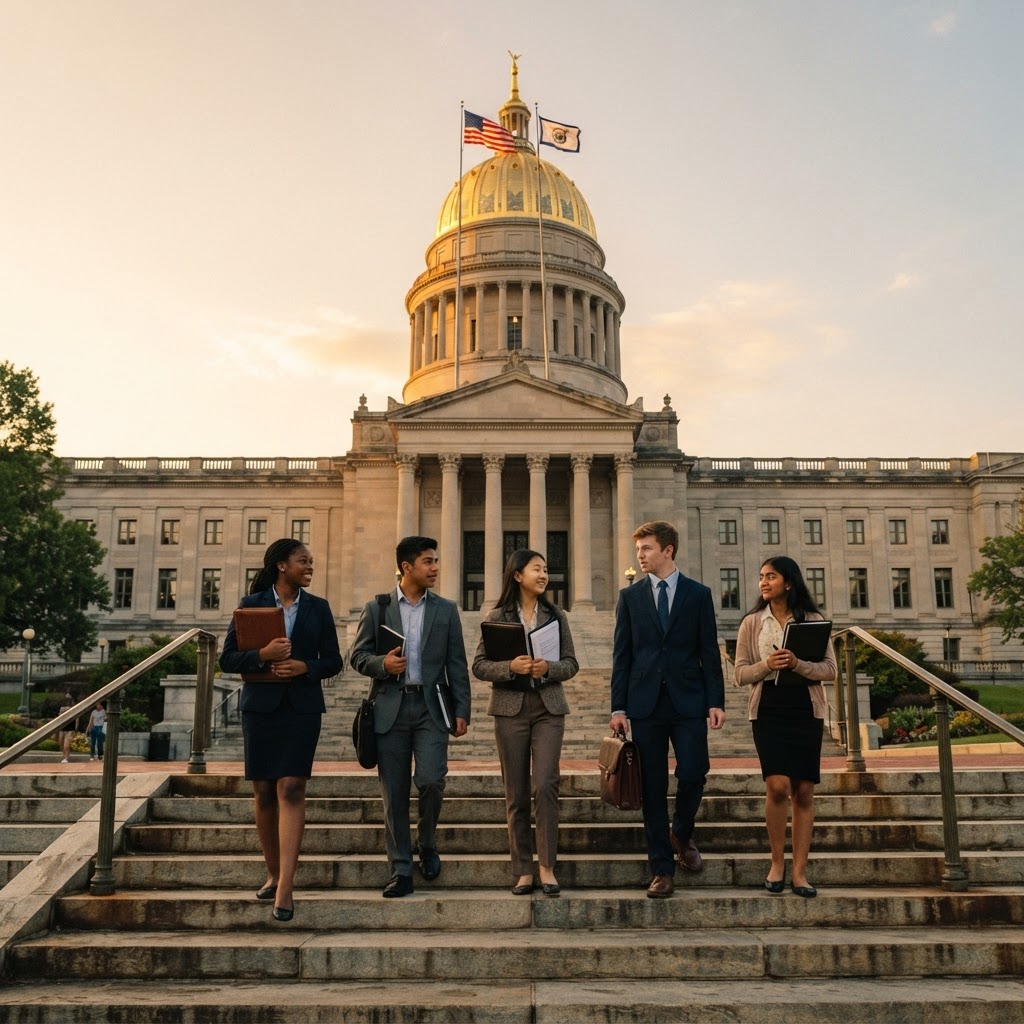
The Four-Year Journey
Start with a problem.
Leave prepared to
defend a solution.
Age 14 → Age 18
A progression in knowledge, responsibility, independence, and leadership.
Foundation
Discover
The Question
What problem deserves our attention?
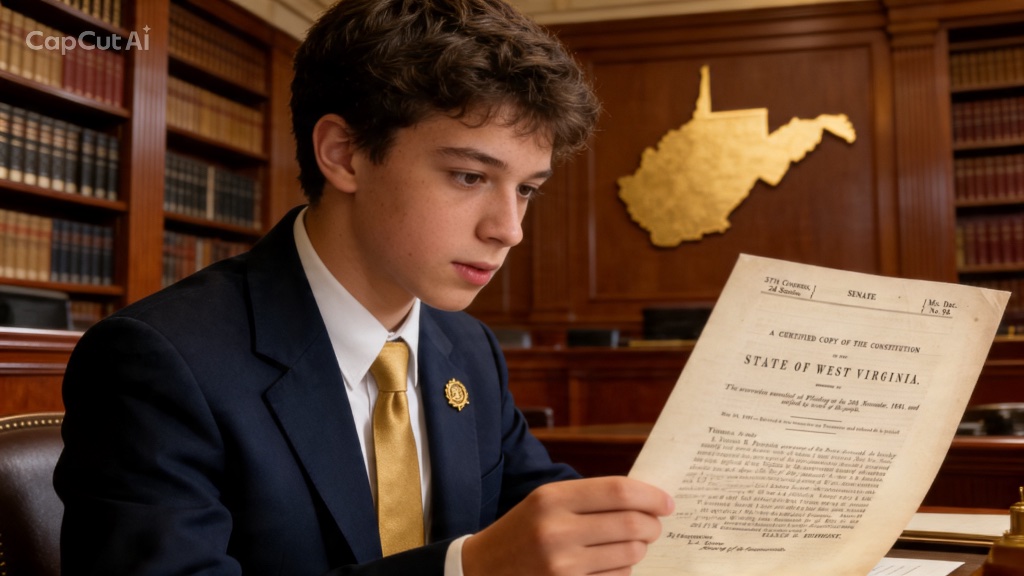
The Work
This is where the student learns to discover before trying to solve.
Students study West Virginia and U.S. constitutional foundations, levels of government, the legislative process, research methods, logical reasoning, critical thinking, and the responsible use of AI — while investigating problems affecting their own communities.
The emphasis is not yet on proposing legislation.
Community Input
Research & Validation
Problem Selection
Final County Problem Statement
The Transformation
Learning to distinguish a complaint from a problem, an assumption from evidence, and an interesting issue from one government can actually address.
The Year-One Output
A researched, defensible community problem statement.
The student establishes that the problem is real, significant, evidence-based, and appropriate for further investigation.
The Advance
Learn the system before trying to change it.
Constitutional
Scholar
Research
The Question
What can government constitutionally do about it?
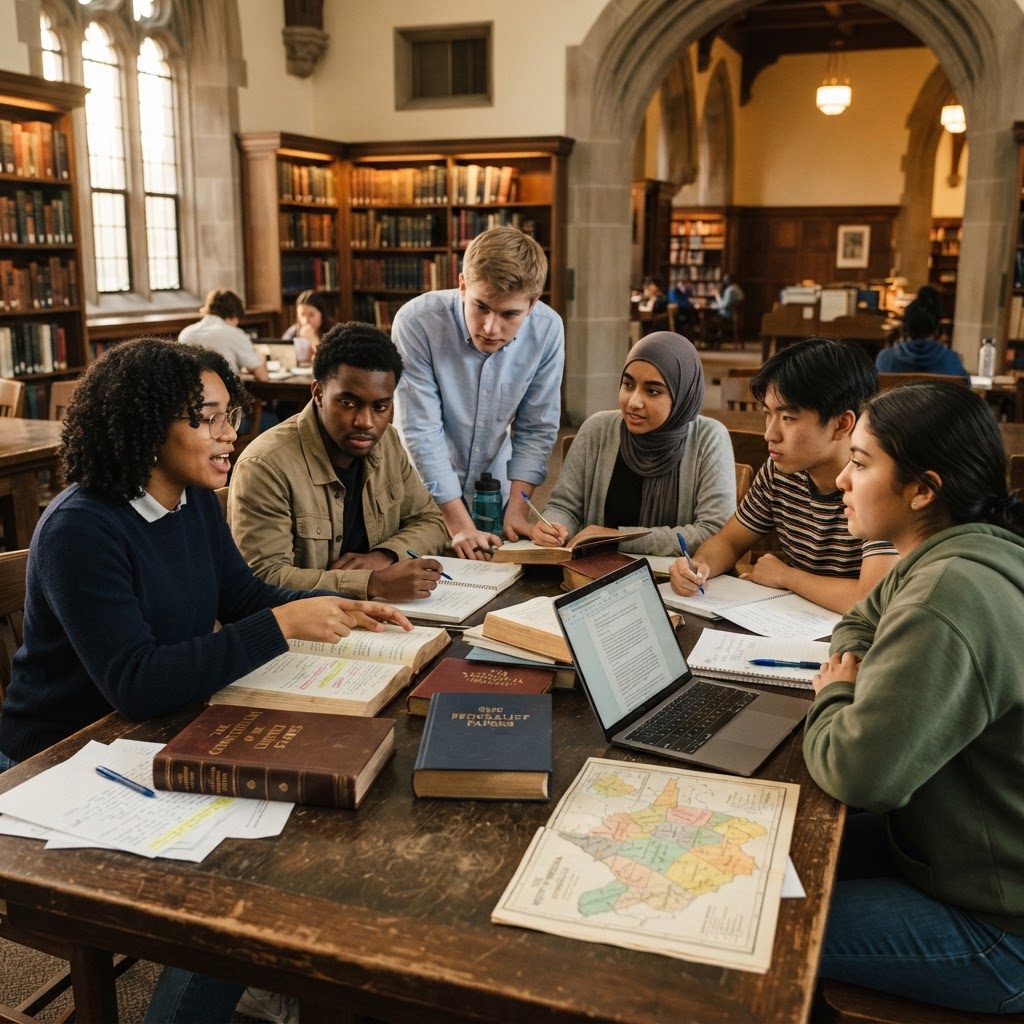
The Work
The student takes the problem discovered in Year One and investigates the boundaries of legitimate government action.
They deepen their study of the West Virginia and U.S. Constitutions, determine which level of government has jurisdiction, examine governmental authority and constitutional boundaries, research existing law and policy, study precedent and competing approaches, and begin identifying where a legitimate legislative opportunity may exist.
The Transformation
Year One asked whether the problem was real.
Year Two asks whether government has the authority to address it.
The Year-Two Output
A constitutional and governmental foundation for action.
The student establishes jurisdiction, governmental authority, relevant constitutional principles, existing law and policy, and the boundaries within which government could legitimately act.
The Advance
Establish the authority before proposing the action. That is what earns the title: Constitutional Scholar.
Civic
Leadership
Design
The Question
What solution should we build?
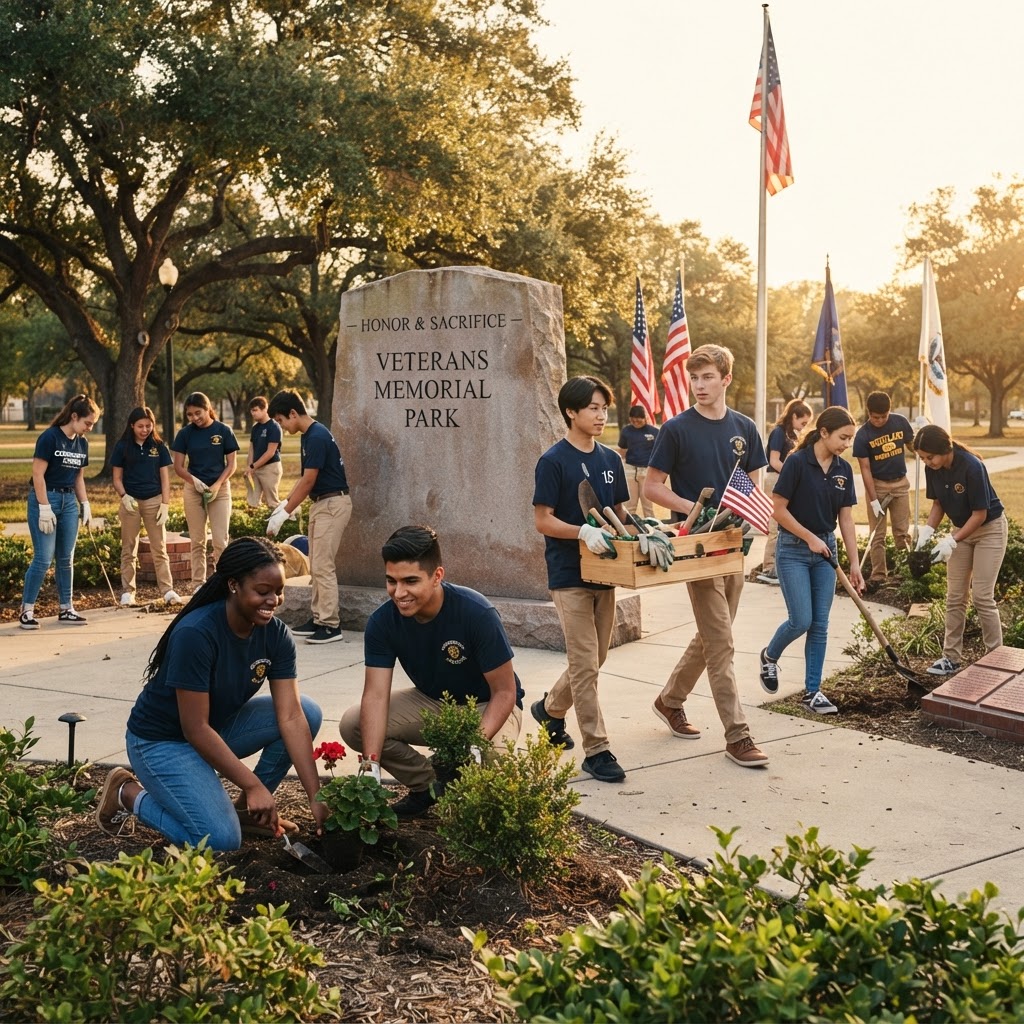
The Work
Now the work moves from analysis into creation. Students collaborate to develop a realistic legislative response using the evidence and constitutional foundation built during Years One and Two.
They engage stakeholders, interview subject-matter experts, compare possible solutions, weigh costs and unintended consequences, test assumptions, revise proposals, negotiate differences, and begin converting research into legislative form.
The Transformation
The student is no longer simply studying government.
The student is practicing civic leadership.
The Year-Three Output
A developed legislative solution ready for serious review.
The student converts research and constitutional authority into a realistic proposed solution, informed by stakeholders, consequences, feasibility, costs, and alternatives.
The Advance
Build a solution that can survive scrutiny.
Candidate
Ready
Defend
The Question
Can I defend this solution before others?
The Work
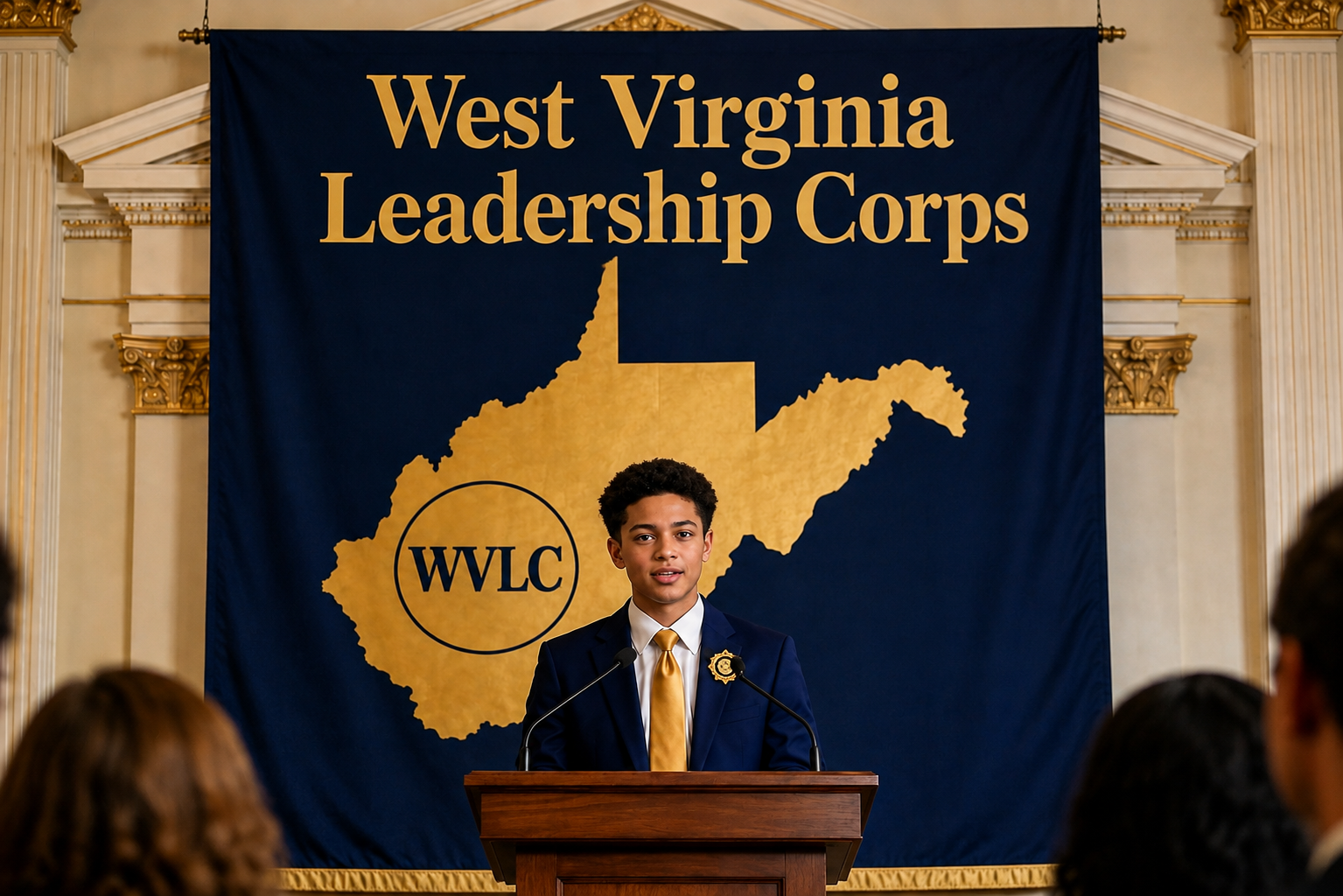
Students refine their proposal, prepare supporting evidence, anticipate opposition, and respond to difficult questions. They practice public testimony, defend constitutional reasoning, communicate with civic leaders, and present their work through the WVLC review and summit process.
The Transformation
The student who entered asking 'Why is this happening?' can now answer:
'Here is the problem. Here is the evidence. Here is the constitutional authority. Here is our proposed solution. And here is why we believe it will work.'
The Year-Four Output
A complete legislative proposal — researched, constitutionally grounded, and publicly defensible.
The student can explain the problem, the evidence, governmental authority, the proposed solution, and anticipated consequences — and defend the proposal under questioning.
The Advance
Stand behind it. Defend it. Earn its advancement.
18 Years Old
Candidate Ready
The Four-Year Proof
The WVLC Methodology
The Statewide Pathway
From a county problem to legislative consideration.
55 Counties
55 Legislative Proposals
State Summit
Review Panel
Strongest Solutions Advance
Legislative Consideration
Prepared for the real legislative process.
Age 14
A student enters with a question.
Four Years of Development
Knowledge. Research. Constitutional reasoning. Leadership. Service.
Age 18
Candidate Ready.
Now they can stand before West Virginia and defend an answer.
Knowledge. Character. Service.